A herbal incense cone is made of dry powder, and dry powder will not hold a cone shape on its own. The thing that does the holding is a natural binder. In many traditional Vietnamese workshops it is powdered bark from the bời lời tree (Litsea glutinosa), and in Japan a close cousin does the same job: the bark of the tabu tree (Machilus thunbergii), known as makkō.
This short guide explains what natural binders are, why they matter for the scent, and how to spot a cone that was made with care.
Why incense needs a natural binder
Imagine trying to shape a handful of matcha into a cone. The grains simply do not cling. Incense is the same. Once agarwood, cinnamon, star anise or vetiver root have been ground, you are left with loose powder. To turn it into a cone or a stick, a maker needs something that mixes evenly, turns pliable with water, and sets hard once dry. Colour also reflects ingredients, see why incense cone colours differ.
A binder also quietly affects how the cone burns. Too little, and the cone cracks or crumbles and burns harshly. Too much, and it becomes dense, hard to light and smoky. The right proportion is a matter of experience: enough to hold the shape, never enough to drown the main ingredients.
Bời lời bark: a familiar helper in Vietnamese incense
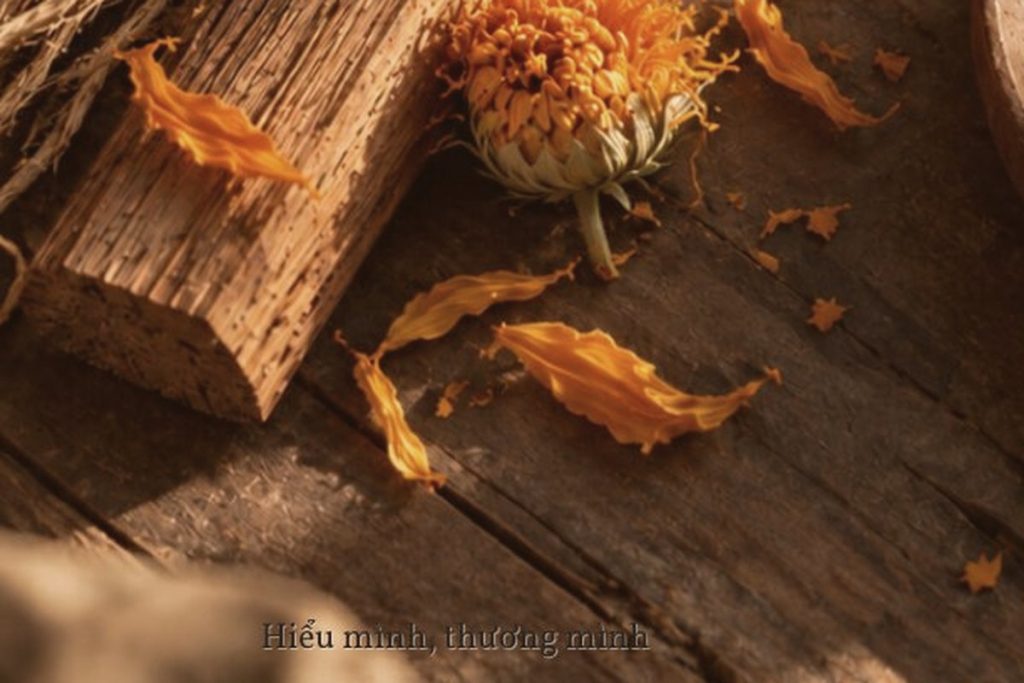
Bời lời is a small tropical tree found across Vietnam and other parts of Asia. Its bark is dried and milled into a fine powder. Mixed with water, the powder releases a natural mucilage, which is what lets the scented dough come together and be shaped.
Some workshops simply call it “glue powder”. What makes it welcome is that its own scent is very faint. Once dry and burning, it leaves almost no fragrance of its own, which lets the woods and herbs speak. That is a big part of why it has been used for so long.
One small note: local names for plants vary by region, so on a label it is safer to look for the botanical name or a clear phrase such as “bark powder” than to rely on a single regional word.
Makkō and tabu: the Japanese approach
In Japanese incense, a common binder is powdered bark of the tabu-no-ki, Machilus thunbergii, in the same plant family (Lauraceae) as bời lời and cinnamon. The powder is called makkō (抹香). Like bời lời, it turns sticky with water and keeps both cones and sticks in shape. To read ingredient lists closely, see reading an incense ingredient label.
It is rather lovely that two cultures, separated by a sea, reached for the bark of closely related trees to solve the same problem. It is probably because the material is close at hand, easy to mill and gentle on the fragrance.
Many Japanese makers of fine incense stress natural binders as part of letting the raw materials speak for themselves. We share that view, though every workshop has its own recipe.
What a carefully made cone looks like
You do not need a laboratory. A few signs can help, though none is proof on its own:
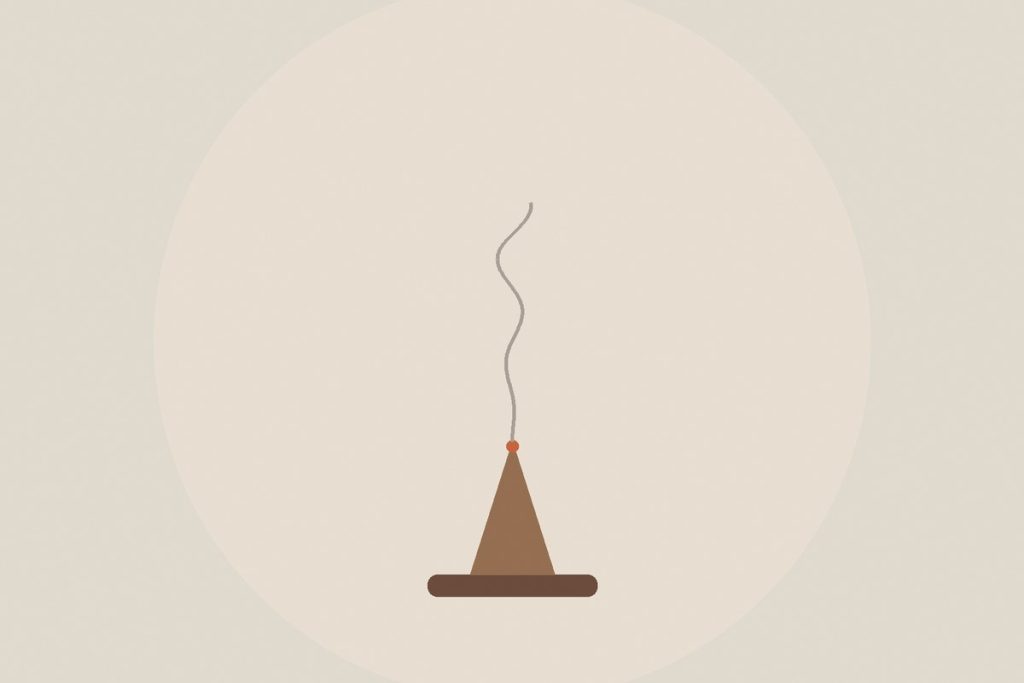
- Unlit scent is soft and comes from wood and herbs, not a sharp “chemical” note.
- The surface may be slightly rough and the colour not perfectly uniform. Natural powder is rarely as flawless as a plastic mould.
- While burning, the cone burns slowly, the ash is fine and holds its shape near the glowing tip, and the smoke is gentle rather than stinging.
- The label names bời lời or “bark-based binder” instead of a vague “additives”.
Reading labels is a good habit.
Keeping it in proportion
A natural binder is not magic, and it does not make smoke harmless. All smoke comes from combustion, so opening a window, burning in moderation and keeping some distance still matter. What a natural binder gives you is transparency: you know what you are burning, and the main ingredients stay the stars. If you want to try making your own, read DIY herbal cones at home.
At Yūgen we choose plant-based materials and keep recipes simple, so woody, herbal, resinous or sweet notes show up as they are. If you are curious which fits you, try the scent finder or browse the groups in the shop.
And if you like making your own, remember that bark powder and dry ingredients are fine dust. Wear a mask when grinding and mixing, and work somewhere airy.
FAQ
Why does incense need a binder?
Dry herbal powder will not hold a cone shape on its own; a binder holds the grains together.
What is bời lời?
Bời lời (Litsea glutinosa) is a tree whose bark is powdered and used as a binder in many traditional Vietnamese workshops.
What are makkō and tabu?
Tabu is the Japanese tree Machilus thunbergii; its bark is ground into a powder called makkō, used as a binder in incense.
What holds a cone together is the least talked-about part, and the quietest.