Journal
Notes on incense
 Herbal stories
How agarwood forms
Healthy agarwood trees smell of almost nothing. The resin only appears after injury and fungal infection, over many slow years. Here is how it happens and why it… Read Herbal stories
What is kyara (kỳ nam)
Kyara, or kỳ nam in Vietnamese, names the most prized agarwood: soft, oily and deeply sweet. Learn where the word comes from and why the genuine thing is… Read Herbal stories
Spotting real vs fake agarwood
No single test proves agarwood is real, but a few signs help: a scent that changes over time, soft round smoke, honest pricing and clear sourcing. Here is… Read Herbal stories
Wild vs cultivated agarwood
Wild agarwood forms by chance in the forest; cultivated agarwood forms in plantations through deliberate inoculation. Here is how they differ, and what CITES says. Read Herbal stories
Cinnamon: the scent of warmth
Cinnamon smells of kitchens and cold evenings: sweet, warm, lightly spicy. Learn about Vietnamese cassia from Yên Bái and Trà My, cinnamaldehyde and its place in incense. Read Herbal stories
Star anise in handmade incense
Star anise (Illicium verum) from Lạng Sơn gives a sweet, liquorice-like warmth thanks to anethole. See how makers use it in handmade incense and herbal blends. Read Herbal stories
Vetiver: the village grass root
Vetiver, called hương bài in Vietnam, is the root of the grass Chrysopogon zizanioides, with a warm, earthy, lasting scent. Meet the plant behind village incense. Read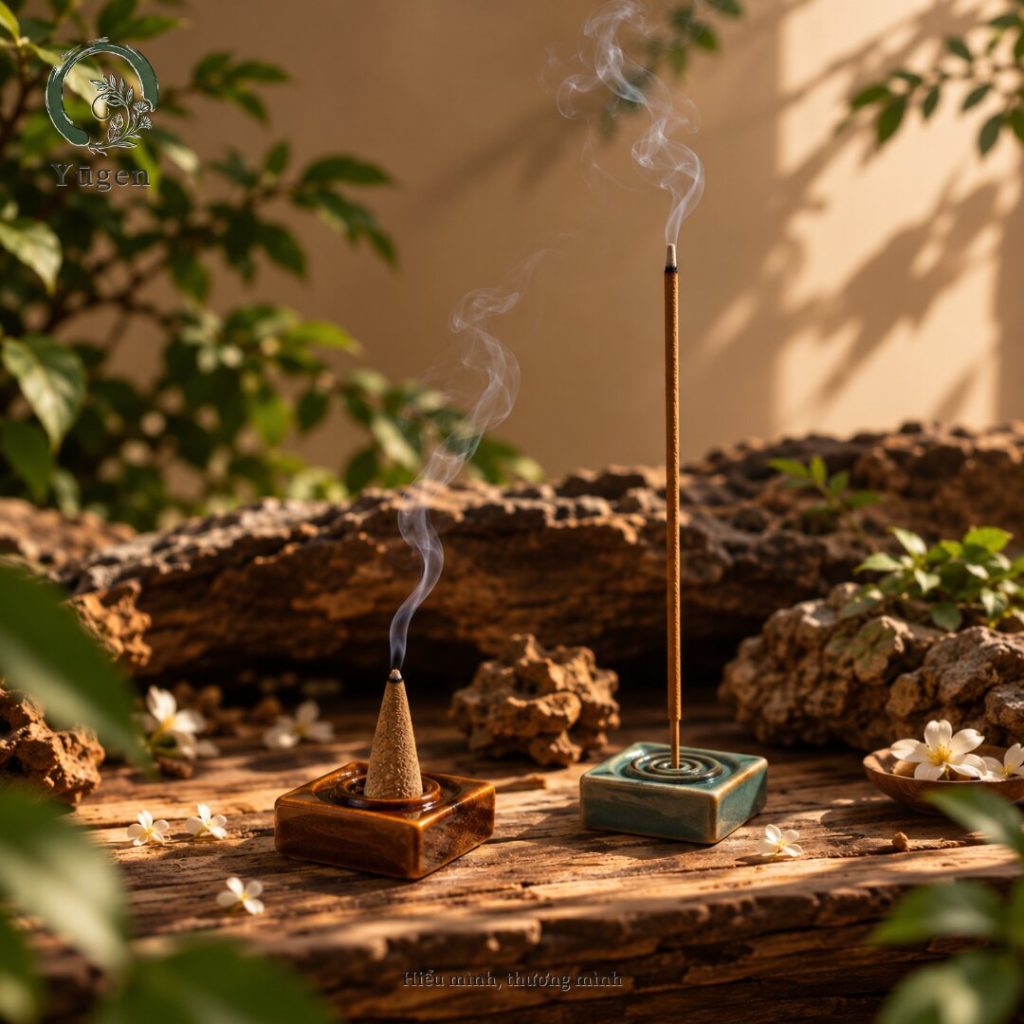 Guides
How to Burn Incense Cones Safely, Including Backflow Cones
Burn incense cones safely: pick a holder, light it properly, get backflow smoke flowing and fix common mistakes. Read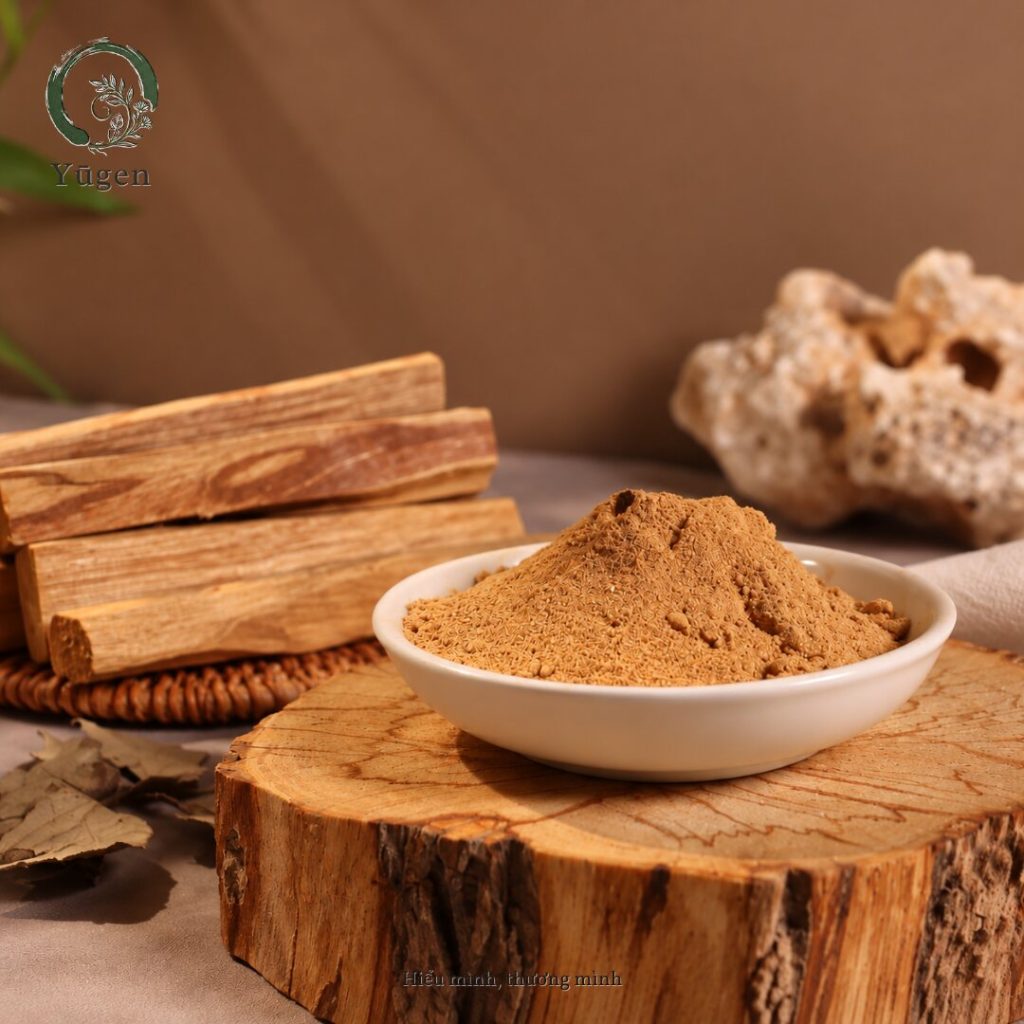 Guides
Herbal vs. Synthetic Incense Cones: 5 Ways to Tell at Home
Tell herbal incense cones from synthetic ones by scent, colour, smoke, ash and the ingredient label. Read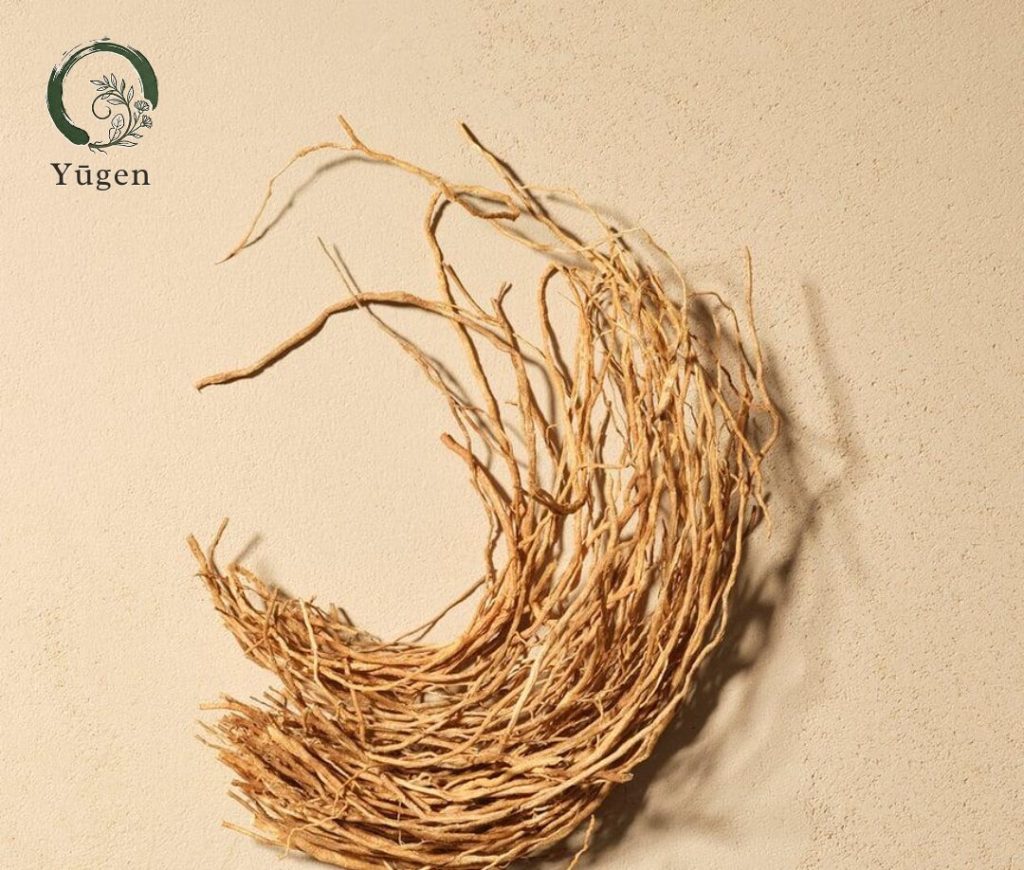 Notes