
No single test settles the question of real vs fake agarwood, but you can learn a lot by observing the scent, smoke, appearance of the wood, price and how open the seller is. Real agarwood smells complex and changes slowly, with smoke that is round and soft; fakes tend to smell sharp, one-dimensional and chemical. This guide offers a calm way of looking, without any risky home experiments.
How fakes are typically made
Genuine agarwood is resin-soaked wood that took years to form, so it is scarce, expensive and hard to verify. That gives people a reason to fake it or to dress up lesser material. According to what incense enthusiasts commonly describe, there are a few patterns:
- Plain wood soaked in oil or aromatics: wood with no resin is soaked in essential oil, perfume or scent chemicals so it smells strong at once.
- Dyed wood: light wood is darkened to look resin-rich.
- Low-grade agarwood “enhanced”: lightly resinous wood is treated with oils to boost both scent and weight.
- Blended powder and synthetic scent: sticks, cones or beads labelled agarwood that are mostly ordinary wood powder with artificial fragrance.
Not every product with added fragrance is dishonest. Plenty of makers openly use fragrance and say so on the label. The problem begins only when something is sold as pure agarwood and is not. It helps to know how agarwood forms before judging a piece.
Real vs fake agarwood: what the eyes and hands can tell you
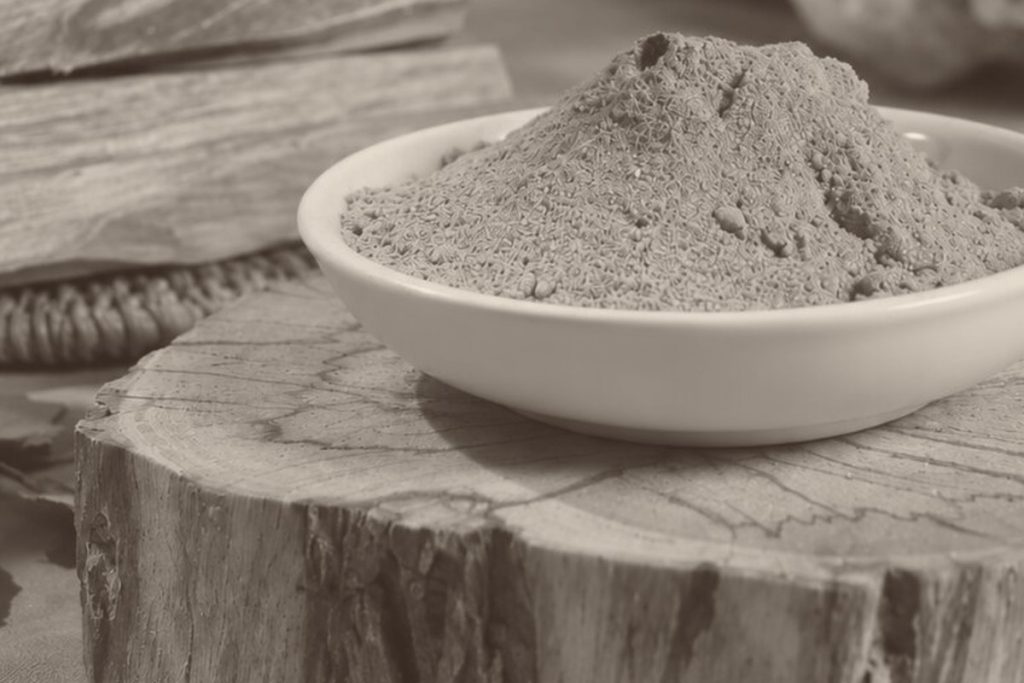
Real agarwood usually shows uneven resin patterns: dark brown to black streaks mixed with pale wood, with soft, natural-looking edges. Dyed or soaked wood tends to be one even colour, with the colour or oil seeping uniformly inward, or an artificial greasy sheen.
Weight is a hint, but only a hint. Resin-rich wood is usually heavier than pale wood of the same size, yet fakes can be loaded with heavy material and light genuine pieces exist. Never rely on one sign alone.
For sticks and cones, read the label. Are ingredients listed? Does it say “fragrance” or “fragrance oil”? Is the origin stated? A clear label beats any flowery sales line.
Listening to the scent and the smoke
This is the most reliable method, though it takes practice. When real agarwood is gently warmed, the scent unfolds in layers: perhaps cool or faintly sour at first, then sweet, warm and slightly bitter, finishing in a smooth depth. It changes minute by minute and lingers in the air for some time.
Fakes often give a sweet or heavy scent right away, hold one note, then fade fast or leave a harsh, scratchy feeling in the throat and nose. Good agarwood smoke tends to be round and soft, rising in fine threads; poor aromatics produce sharp, stinging smoke that makes you cough. Origin matters too, see wild vs cultivated agarwood.
Trust your body. If a scent gives you a headache, stings your eyes or makes breathing hard, stop and open a window, whatever the label says.

What price and the seller tell you
Good natural agarwood has never been cheap. If a product claims to be 100% natural agarwood at an unusually low price, ask where the difference comes from. A high price does not guarantee authenticity either; price is one piece of information among many.
Trustworthy sellers will usually answer questions about origin (wild or cultivated, which region), let you try a sample, state their return policy and be frank about grade. They do not over-promise. If anyone speaks of agarwood as a cure for illness, be wary: incense is for atmosphere, not a replacement for medical care.
What to avoid when testing at home
Many videos suggest tasting the wood, soaking it in hot water, holding a lighter straight to it or using chemicals. We do not recommend any of them. Some are unsafe, and none is accurate enough to rely on. For responsible sourcing, read sustainable agarwood and CITES.
The safest approach is to combine several signs: ingredient label, origin, price, the scent when sampled in a ventilated room, and the seller’s reputation. If you are still unsure, start with a small amount, or choose products clearly described as herbal blends with agarwood so you know exactly what you are using.
At Yūgen, ingredients are always stated and we never use words like “kyara” or “pure agarwood” as marketing. Browse the products or try the Scent Finder to find your scent group.
FAQ
Is there a sure way to tell real agarwood from fake?
No single test gives a definite answer. Combine what you notice in the scent, smoke, wood, price and how open the seller is.
How does real agarwood smoke differ from fake?
Real smoke tends to feel round and soft and to shift in character, while fakes are often sharp and one-note. Treat this as a guide, not proof.
Should I test agarwood at home with chemicals or soaking?
No. Avoid risky home tests and buy from sellers who are open about sourcing.
Real fragrance is never loud. It is open about what it is and patient about the rest.