What is kyara? Kyara (伽羅), known in Vietnamese as kỳ nam, is the name given to the most prized agarwood: soft, oily wood with a deep, sweet scent that keeps shifting as it warms. It sits at the top of the Japanese agarwood grades. The first thing worth knowing is that genuine kyara is extremely rare, so much of what is sold under the name deserves a careful look.
What is kyara? Its place in the world of agarwood
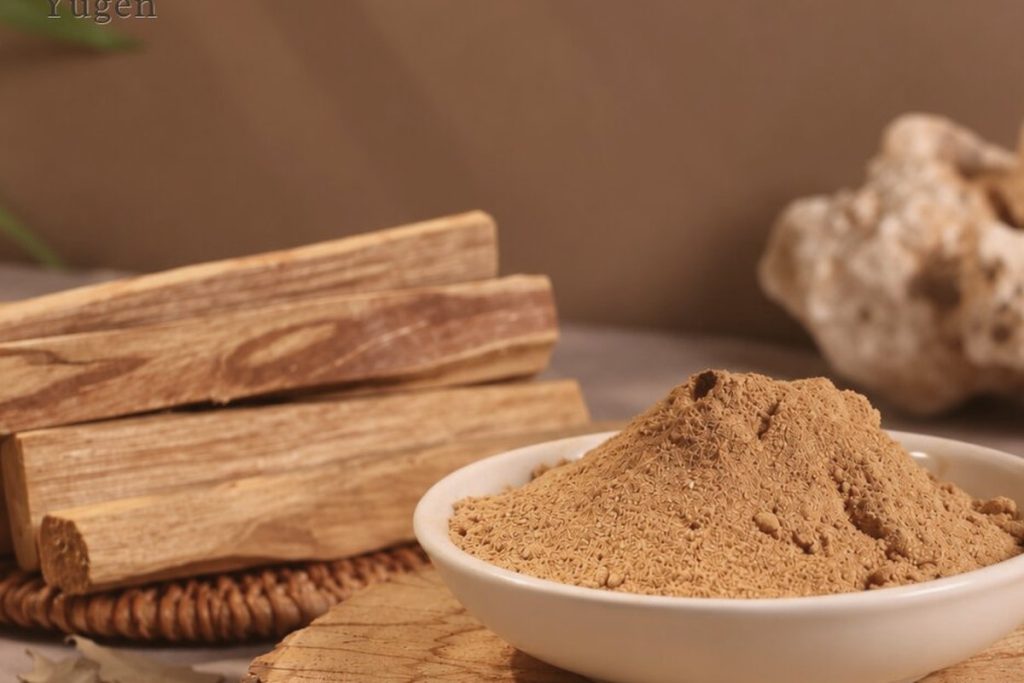
Agarwood is the resin-soaked heartwood of Aquilaria trees, formed over years of reaction to injury and fungi. Collectors grade it by resin content, softness, colour and above all depth of scent. Kyara is usually understood as the top of that ladder.
It should be said plainly that the exact definition is not fully agreed. Regions, generations of harvesters and collectors use different criteria, and no widely recognised body issues a “kyara certificate”. Treat the traits below as commonly described qualities rather than a formal standard. To see why agarwood smells at all, read how agarwood forms.
The Vietnamese word kỳ nam (奇楠) comes from Chinese characters meaning something like “rare, remarkable wood”, and in Vietnam it is tied to pieces of agarwood spoken of with great value.
Kyara in Japanese kōdō
In the Japanese incense path, kōdō, agarwood is divided into six groups by character of scent, called Rikkoku Gomi, “six countries, five tastes”. Kyara heads these six. The system is about the experience of the scent rather than where it grew, though Japanese tradition has long associated kyara with agarwood from Southeast Asia, including Vietnam, once known there as Annam or Champa wood.
As for the name, a commonly cited theory is that “kyara” derives from kālāguru, a Sanskrit name for a black agarwood (via a Chinese phonetic rendering). Another theory traces it to tagara; there is no settled answer, so it is best held as speculation.
In kōdō you do not “smell” incense but “listen” to it (kiku). A tiny sliver of kyara is placed on a thin mica plate above buried charcoal, and a few breaths are enough. Fine fragrance is the kind that needs very little.
Qualities people commonly mention
According to collectors and incense practitioners, kyara tends to share some features. No single one proves anything, since ordinary agarwood can show a few of them too. If an offer looks too good, spotting real vs fake agarwood offers a calm checklist.
- Soft, pliable wood: it may yield slightly under pressure or warmth, a little sticky with oil, unlike hard dry agarwood.
- Rich in oil: glossy resin lines run deep into the grain.
- A sweet, layered scent: often described as honeyed, with cool, faintly sour or floral touches, easing into something warm and smooth.
- Long and changing: the opening, heart and base notes differ clearly.
These are impressions of an experienced nose and hand. For a beginner, listening to a few well-sourced pieces teaches more than any list of descriptions.
Why genuine kyara is so rare
Agarwood is already scarce, and kyara far more so. Only a fraction of wild trees hold resin, and only a tiny part of that resin reaches the softness and depth called kyara. Centuries of heavy harvesting have also thinned natural supplies; the entire genus Aquilaria is now in CITES Appendix II.
Rarity creates a risky market. When something is extremely valuable and hard to verify, the label “kyara” is easily attached to things that do not deserve it: ordinary agarwood soaked in oil, dyed wood or blended aromatics. A name alone is never a reason to buy.
Even experienced buyers sometimes disagree about a single piece, which says something about how subjective the grading is. Cultural habits matter as well: a scent prized in one tradition may seem too sweet or too sharp in another. Being honest about that uncertainty is part of respecting the material.
A level-headed way to approach it
If you are curious about kyara, begin with learning rather than owning. Look for sellers who are open about origin, who let you listen before you buy, and who are happy to say “this is good agarwood” when that is what it is. Price is information too: if a so-called kyara is unbelievably cheap, ask why. Its Japanese setting is told further in a short history of kōdō.
At Yūgen we do not call our products kyara. The Woody and Agarwood scent groups are blended from botanical ingredients and aim for warmth and depth that are easy to live with, a gentle way into agarwood culture. Browse the shop or take the Scent Finder to find a group that suits you.
Whatever you burn, keep the room ventilated and use moderate amounts.
FAQ
What is kyara?
Kyara (伽羅), known in Vietnamese as kỳ nam, is the name given to the most prized agarwood: soft, oily wood with a deep, sweet scent.
Is kyara the same as agarwood?
Kyara is a very high grade within the agarwood family; agarwood is the broader name for resin-filled Aquilaria wood.
Why is genuine kyara so rare?
Because the conditions that create it are demanding and slow, genuine kyara rarely appears on the market. Be cautious of easy offers.
The finest things do not speak loudly. They wait to be listened to.