Herbal incense cones and synthetic ones can look alike, but four clues usually tell them apart: the scent before lighting, the colour and texture of the smoke, how the room smells afterwards, and the colour of the ash. Herbal incense smells woody and soft and fades gradually; heavily fragranced incense tends to be sweet and sharp from the start and can leave a room feeling stuffy. Here is how to check at home and what to look for on the label.
What counts as herbal incense?
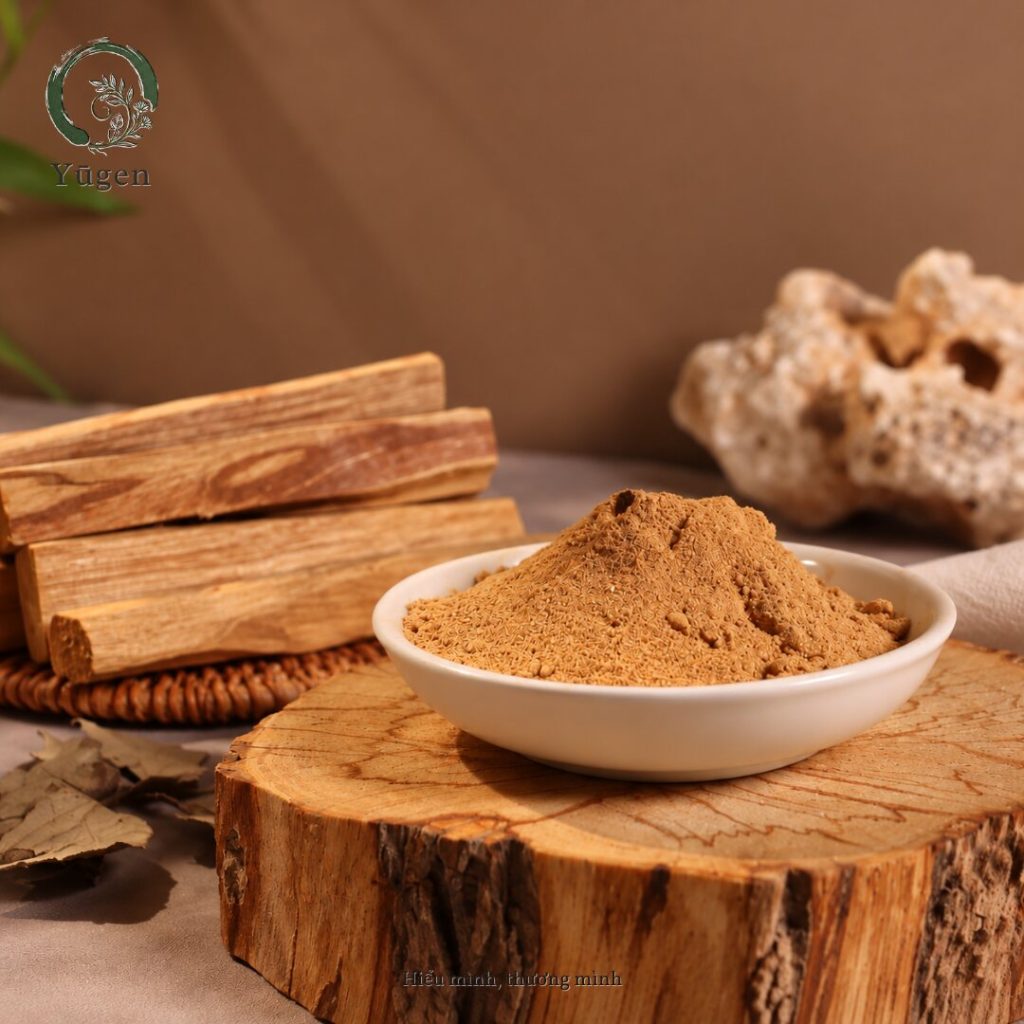
Herbal cones are made mostly from powdered natural materials such as wood, bark, leaves and resin, bound with a natural binder (for example litsea bark powder or resinous wood powder), then shaped and dried. The scent comes from the ingredients themselves, so it is rarely overpowering and varies slightly from batch to batch. These ingredients are covered in herbs in incense cones.
Many cheap incense products instead use sawdust as a base, soaked in synthetic fragrance oils for a strong smell, plus accelerants so they light easily and dyes so they look appealing. Synthetic fragrance is not automatically bad, but burned in large amounts it tends to produce harsh notes and thick smoke.
Five ways to tell at home
1. Smell it unlit
Unlit herbal incense smells faintly of wood, earth or dried leaves; you need to bring it close. If opening the box fills the room with sweet perfume, the cones have likely been soaked in fragrance oil.
2. Look at the colour
Natural ingredients give browns, reddish browns, grey-greens or earthy yellows, never perfectly uniform. Vivid pink, purple or bright green cones have usually been dyed. See also why incense cones come in different colours.
3. Watch the smoke
Herbal smoke is usually a fine, pale grey thread that rises softly and disperses quickly. Dense, billowing or yellowish smoke is a reason to think twice.
4. Notice the room after 30 minutes
This is the most reliable test. Herbal incense leaves a light, pleasant woody note that keeps fading. Synthetic incense often leaves a sweet, burnt smell that clings to curtains and clothes, and may bother sensitive noses and throats.
5. Check the ash
Herbal ash is usually fine, pale grey to off-white, and keeps the cone shape. Black, lumpy ash or an unburned core can point to lots of additives.
Reading the label
- Specific ingredients: named herbs (mugwort, cinnamon, agarwood, soap pod…) rather than just “fragrance”. See reading an incense ingredient label.
- Origin: transparent brands are happy to say where their materials come from.
- No overblown claims: be wary of promises to cure illness. Fragrance supports a calm space; it is not medicine.
- A sensible price: real agarwood or cinnamon has a cost. A suspiciously cheap “agarwood” box deserves a question.
Why choose herbal cones?
Mostly for the experience. Herbal scent doesn’t dominate a room; it blends into it, like opening a window onto a garden after rain. You can burn one while reading, making tea or sitting quietly without feeling overwhelmed. For many people that is exactly the moment to know themselves and be kind to themselves.
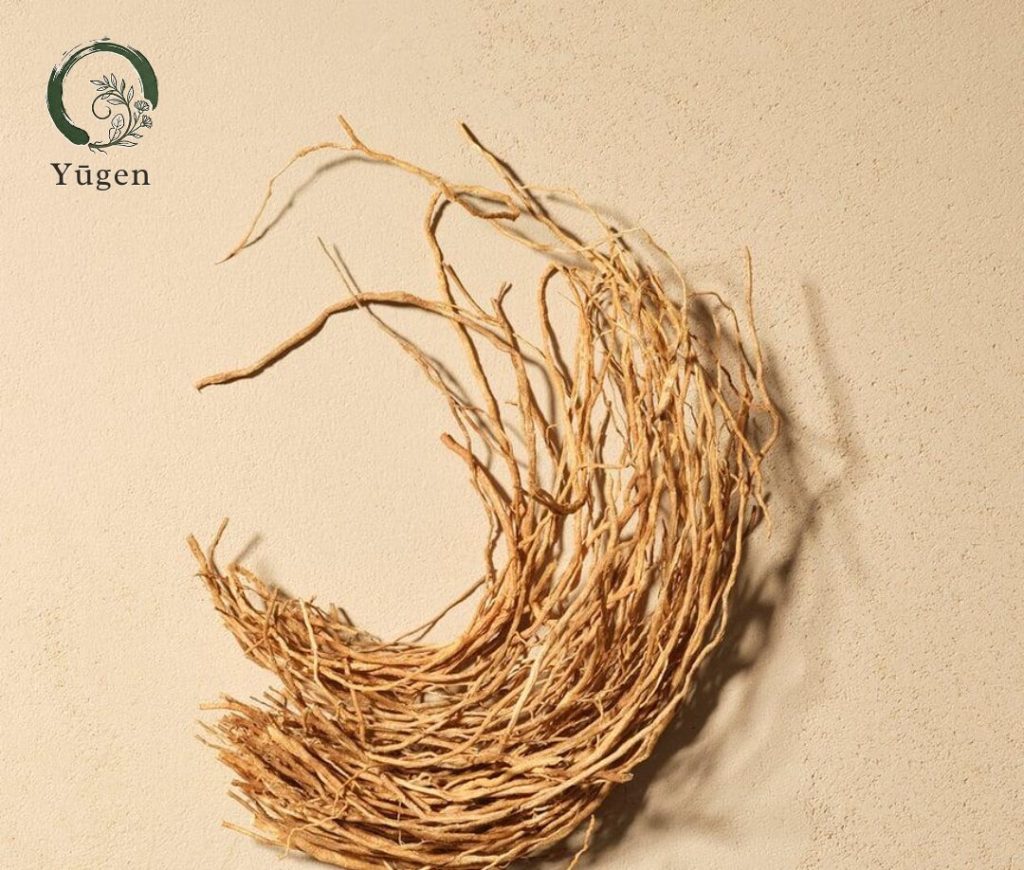
At Yūgen, every cone is made from Vietnamese herbal powders, air-dried, with ingredients listed clearly. You could start with Kei cones, made from Australian sandalwood, vetiver root, litsea bark and blue lotus, or Shanta sticks, made from pine wood, vetiver root and litsea bark.
FAQ
Is herbal incense smoke-free?
No. All incense produces smoke when it burns; herbal smoke is simply lighter and gentler. Always burn it in a ventilated space.
Is herbal incense weaker?
Softer rather than weaker. The scent spreads slowly in layers, and you notice it more after a few minutes.
Is there a 100% sure test?
Not at home, since smell is subjective. Combine the clues above with choosing brands that list their ingredients.
Does the same apply to incense sticks?
Yes. Also check the core: an undyed bamboo stick is a good sign. Have a look at our Cinnamon Wood sticks.
Explore more herbal products in the Yūgen shop.