Journal
Notes on incense
 Herbal stories
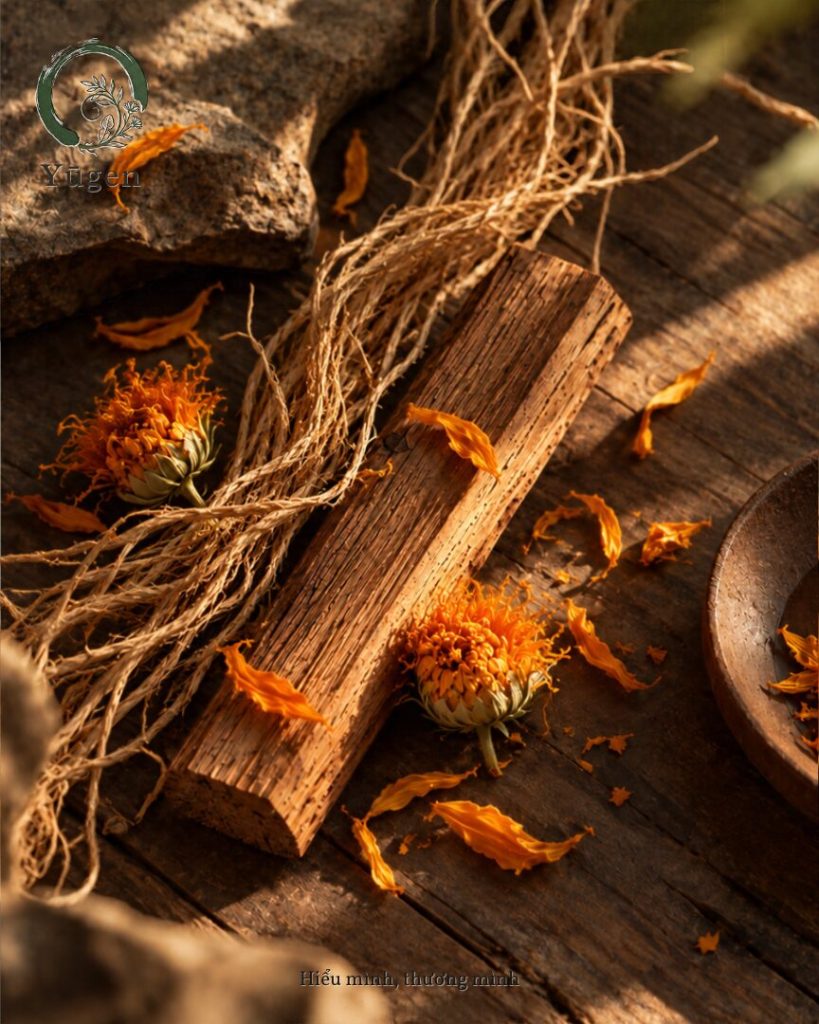
The Herbs in Vietnamese Incense Cones: Mugwort, Cinnamon, Agarwood and More
The scent and cultural story behind mugwort, cinnamon, agarwood, soap pod, lemongrass and star anise. Read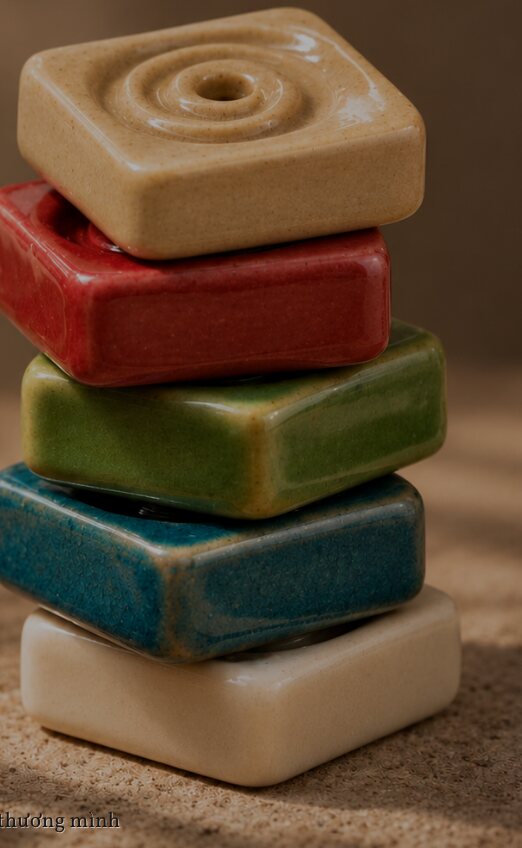 Guides
How to Choose the Right Incense Holder for Cones and Sticks
Choose an incense holder by incense type, material and space, with a buying checklist and care tips. Read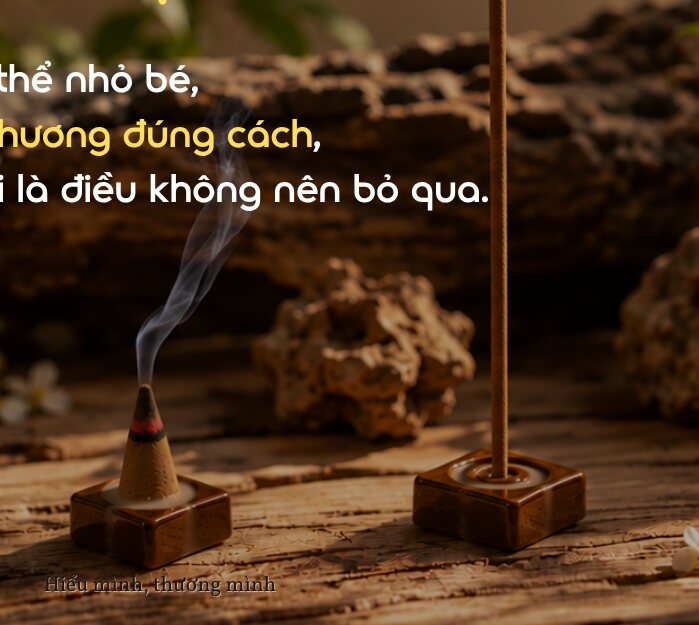 Guides
Incense cones vs. sticks: what’s the difference?
Incense cones and sticks differ in shape, burn time, intensity and use. A quick comparison to pick the right one for each room and each moment. Read Guides
How to burn incense cones
Three simple steps to burn incense cones properly, where to place them, what to do if a cone goes out, and the safety basics for an even, gentle… Read Notes
Why the Japanese call it “listening” to incense
In kōdō, the Japanese way of incense, you do not “smell” incense – you “listen” to it (mon-kō). Why, and how to bring that spirit into an incense… Read Herbal stories
Mugwort in smudging culture
Mugwort appears across East Asian culture: leaves hung at the door on Đoan Ngọ, moxa floss, herbal steaming. A respectful cultural look that makes no healing claims. Read Herbal stories
Sandalwood
Sandalwood is a smooth, sweet, creamy-warm wood. Learn how Santalum album and Santalum spicatum differ, what santalol is, and why supplies are limited. Read Notes
Pomelo peel: the scent of Tết
Pomelo-leaf baths on Tết Eve, dried peel in the kitchen, the golden fruit on the altar: pomelo smells of Vietnamese Tết. Explore the custom and how peel enters… Read Herbal stories
Natural Binders in Incense Cones: Bời Lời and Makkō
Incense powder cannot hold a cone shape by itself. Meet bời lời bark in Vietnam and makkō in Japan, the quiet binders that shape cones and steady how… Read Herbal stories