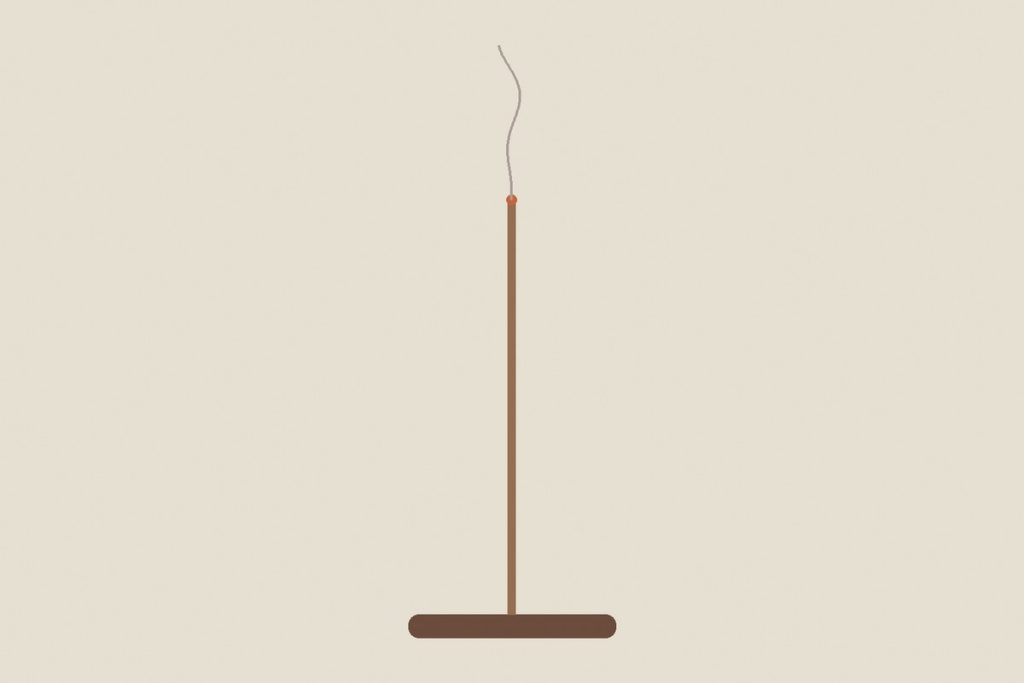
Trimming incense stubs, called tỉa chân nhang in Vietnamese, means pulling out old stubs from the burner before Tết while tidying the altar. Many families do it after the Kitchen Gods ritual on the 23rd of the twelfth lunar month. Timing and details differ by region, so take this as a gentle guide and follow your own family’s way.
What is trimming incense stubs, and why before Tết?
Over time a burner fills with stubs packed together, and ash builds up. Trimming incense stubs clears some of the old ones so the burner looks neat, new sticks stand easily and cleaning is simpler.
Custom summaries say the 23rd of the twelfth lunar month is when the Kitchen Gods are sent off to heaven, and after that many homes begin to clean the altar and remove old stubs to prepare for the New Year. The core meaning is care for a place of remembrance, not a complicated rite.
Sources do not fully agree on whether to do this before or after the 23rd. Do not feel pressure: pick a calm day in the last days of the year.
What do you need to prepare?
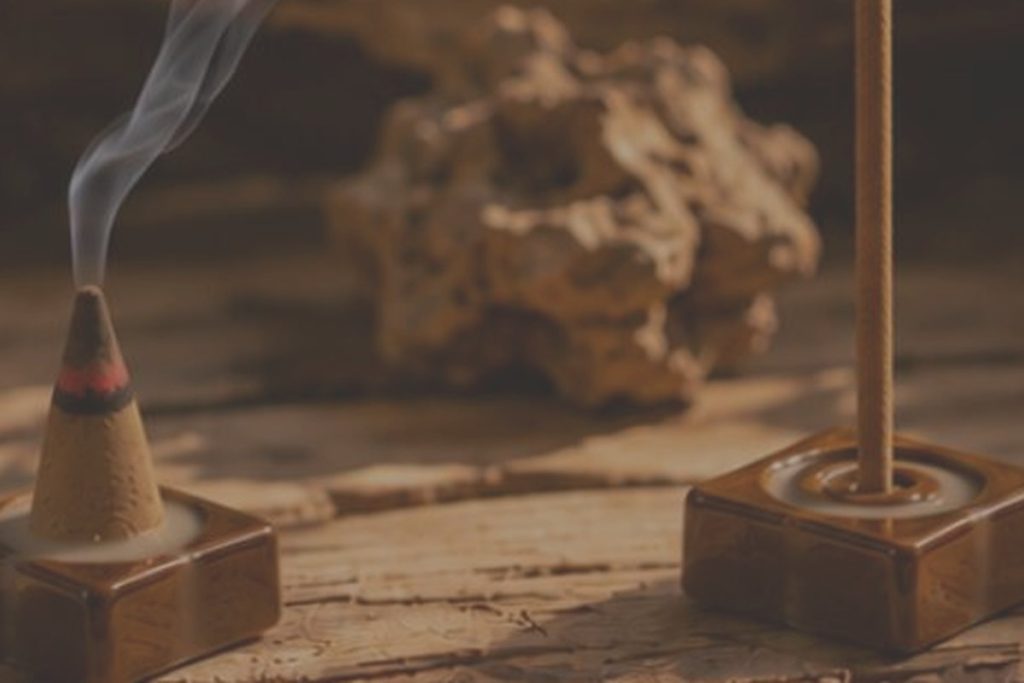
No special tools are needed. Keep it simple:
- A soft clean cloth, a bowl of warm water, a clean spoon or tongs.
- A clean sheet of paper or small plate for the removed stubs.
- Clean hands and tidy clothes.
- One stick to light, asking permission beforehand.
Many families light incense to ask permission of ancestors and spirits before cleaning, saying a few plain words that they are tidying for the new year. Sincerity matters more than wording.
How do you trim incense stubs neatly?
- Light incense to ask permission and let it burn down.
- Do not lift or move the burner. Reference guides consistently warn against this during cleaning.
- Pull old stubs in small groups with clean hands or tongs, leaving a modest amount. How many to leave varies by family; there is no rule here.
- Lay the stubs on clean paper, not mixed with trash.
- Handle the ash if needed: some sift it gently; in central Vietnam some replace the sand.
- Wipe the altar top to bottom with a damp soft cloth. For bronze items avoid alcohol and chemicals, which can dull them.
What happens to removed stubs depends on the household: some burn them respectfully, others wrap them in clean paper and set them somewhere dignified. If you burn them, do it outdoors in a safe place, away from anything flammable.
How do you stay respectful and safe?
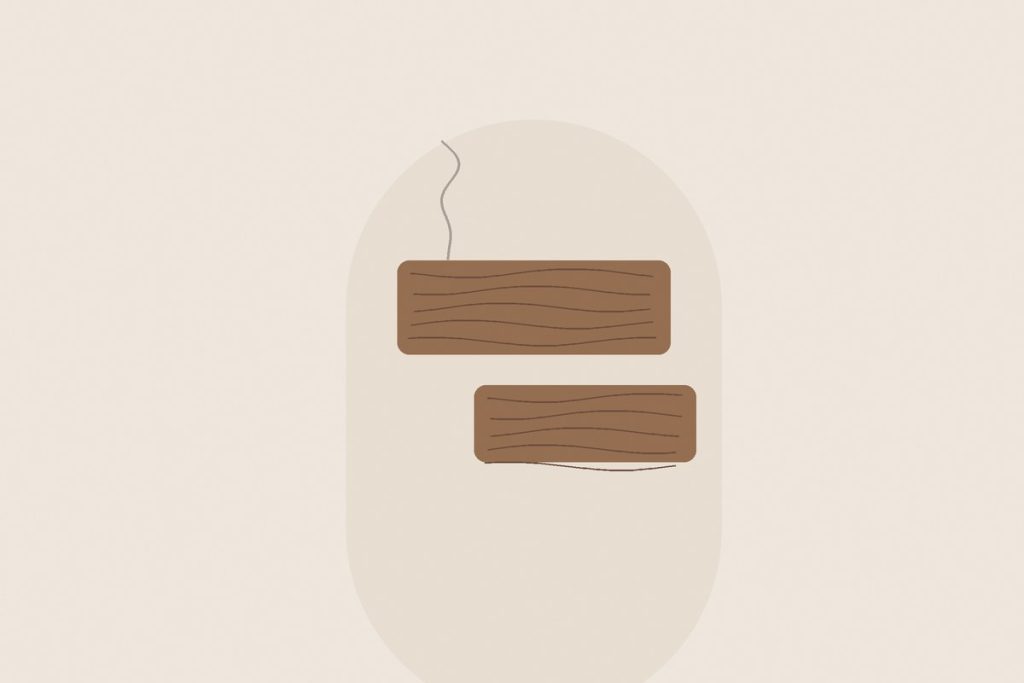
An altar is where many people place gratitude for those who have passed, so work slowly, gently and quietly. Remember that ash and stubs may stay hot inside; wait until everything is cool before handling.
Afterwards, open the windows and wipe up any ash on the floor. If anyone is sensitive to dust, wear a mask while sifting. For more, see fire safety with incense and ventilation basics.
After trimming: keeping the burner tidy longer
A few small habits keep it neat: light fewer sticks, choose low-smoke incense, and remove stubs regularly rather than once a year. Read more on keeping an altar burner tidy and incense on the first and fifteenth. For a calm corner around the altar and in the home, browse plant-based sticks in the shop. You can also compare with a detailed Vietnamese guide to the custom on Hoatieu.
If you are busy this year and miss the usual date, do not worry. Many families do it on another day in the last month, or in stages: wipe the altar one day, remove stubs another. What counts is a calm and respectful mood, not the clock.
FAQ
What is the best day for trimming incense stubs?
Many homes do it after the Kitchen Gods ritual on the 23rd of the twelfth lunar month, but there is no single rule. Choose an unhurried day and follow family custom.
Do I remove all the stubs?
Usually not. Many families remove only some old ones and leave a portion. The exact amount depends on family and region.
What do I do with the removed stubs?
It depends on the home: some burn them, some wrap them in clean paper. If burning, do it outdoors in a safe place and let everything cool before clearing up.
Tidying the altar at year’s end is a simple way to say thank you before the new year arrives.