
When people talk about agarwood in Vietnam, Khánh Hòa agarwood is among the first names to come up. From legends of kỳ nam in deep forest and traditional tales of agarwood sent to the court, to the Agarwood Tower (Tháp Trầm Hương) in Nha Trang, the image of this fragrant wood is written into the name of the land. We tell that heritage carefully, because many historical details are not firmly confirmed.
Why is Khánh Hòa agarwood so often mentioned?
Agarwood forms when certain trees of the genus Aquilaria (called dó in Vietnam) are wounded or infected with fungi and produce resin to protect themselves. The resin-laden wood is what we call agarwood. The forests of the central region, including the western uplands of Khánh Hòa such as Khánh Vĩnh and Khánh Sơn, have long been mentioned as places where aquilaria grew and people went into the forest to look for it.
According to some sources, the region once belonged to Champa, and agarwood and kỳ nam were among the area’s prized goods, traded with seafaring merchants. That sounds plausible for a coastal place like Khánh Hòa, but we want to be clear: there are few firm records on the scale of that trade that we could verify, so treat it as a general picture, not figures.
Kỳ nam and old records
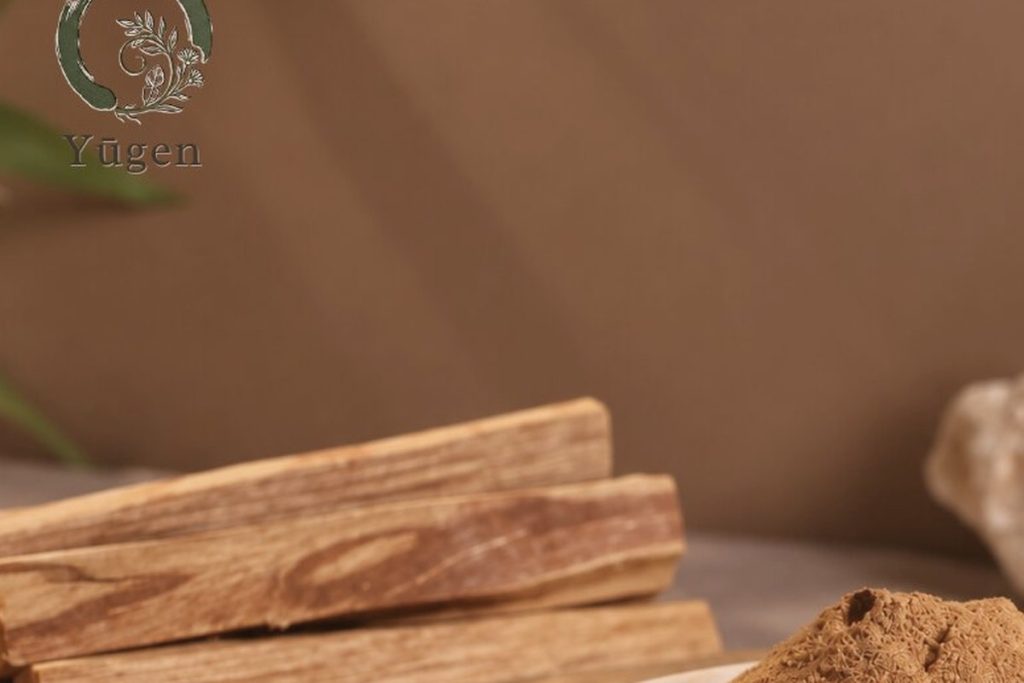
In folk speech and old literature, kỳ nam is regarded as the finest agarwood: soft, oily and so rare it is almost legendary. Many accounts mention Khánh Hòa as a place with kỳ nam. Traditionally, it is said that agarwood and kỳ nam from the area were offered as tribute to dynasties, including the Nguyễn. We use “traditionally” on purpose: the exact origin of these accounts differs between sources, and we cannot point to a primary text that confirms the details.
Still, it is certain that in popular memory Khánh Hòa and agarwood are deeply linked. The stories of forest searchers who lived many days in deep woods and sometimes returned empty-handed remain part of local culture.
For the most prized grade, read more in what is kyara (kỳ nam).
The Agarwood Tower in the heart of Nha Trang
The most visible mark of agarwood in life today is perhaps the Agarwood Tower, a structure in the centre of Nha Trang facing the sea. It is often described as shaped like a lotus with an agarwood bud at the top, and it has become a landmark that many visitors photograph.
On details, sources are inconsistent. Many say construction began around the mid-2000s and the tower opened at the end of 2008, but the start year, height and designer vary between accounts. We therefore avoid specific figures; for exact information, consult official local sources. What is worth noting is that the tower’s name and shape show how proud people in Khánh Hòa are of the link to agarwood.

How to honour this heritage today
Agarwood is a heritage, but also a fragile resource. Wild aquilaria has declined through harvesting and habitat loss, according to conservation bodies, and Aquilaria species are listed in Appendix II of CITES (cites.org) to control international trade. So the best way to respect the tradition is to choose consciously.
- Prefer cultivated, documented sources. Agarwood from planted trees that are inoculated to produce resin eases pressure on wild forests.
- Doubt promises that are too good. Genuine kỳ nam is extremely rare; cheap offers of “kỳ nam” deserve careful scrutiny.
- Use little, use slowly. A small amount is enough for an afternoon; good ventilation and moderation are always right.
- Learn the story behind it. Ask about origin, harvesting and the other ingredients in a product.
If you want to try a gentle scent with a woody, agarwood-like character, you can start with the Agarwood group in the shop or let the scent finder suggest one. Our thinking about materials is also in our story page.
To see why cultivated sources are preferred, read wild vs cultivated agarwood and sustainable agarwood and CITES.
What remains
Some places are remembered through their scent. Khánh Hòa, with its blue sea and western forests, is one: people mention agarwood when they mention the land, even where specific history is still hazy. We choose to leave the hazy parts hazy rather than paint them in. If you ever visit Nha Trang, the tower and the sea breeze make a pleasant place to pause and think about it.
FAQ
Why is Khánh Hòa linked with agarwood?
Agarwood forms when some Aquilaria trees are wounded or infected by fungi and produce resin to protect themselves. In popular memory and many records, Khánh Hòa is deeply tied to agarwood and kỳ nam, though specific historical details are still unsettled.
Where is the Agarwood Tower?
The Agarwood Tower (Tháp Trầm Hương) stands in central Nha Trang, facing the sea. Sources disagree on some details, such as the start year or height.
How can I honour agarwood heritage without harming forests?
Prefer cultivated agarwood with clear paperwork, remember that Aquilaria species are listed in CITES Appendix II, be sceptical of cheap “kỳ nam” offers, and use little and slowly.
A scent can remember a whole region, as long as we tell its story honestly.