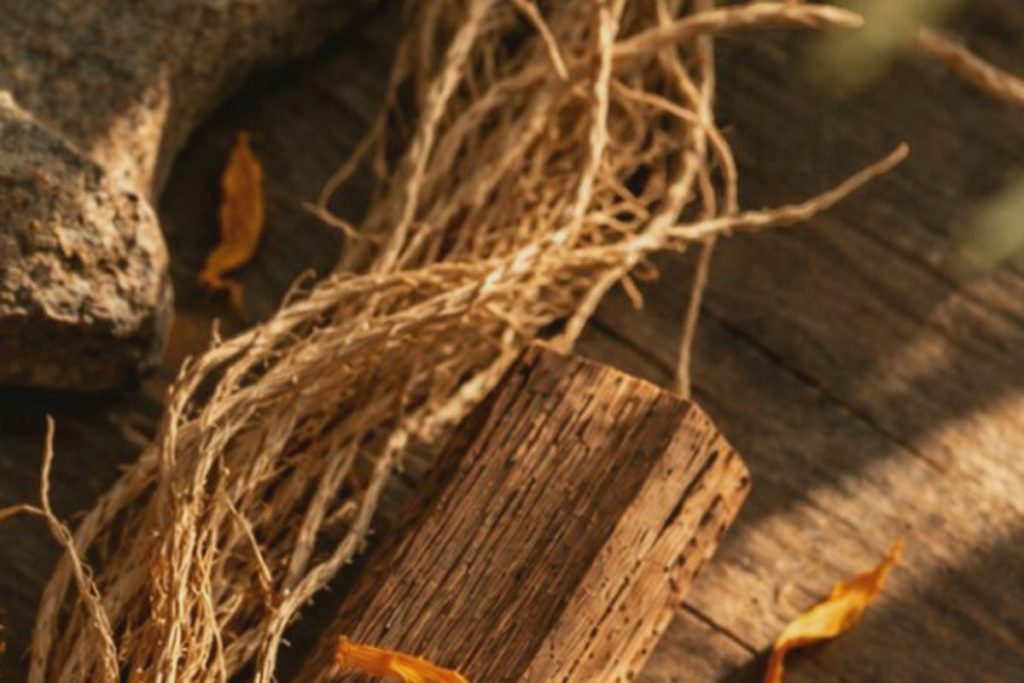
Here is how agarwood forms: an Aquilaria tree is wounded or infected by fungi and responds by producing a fragrant resin. Healthy wood from the same tree is pale and almost odourless, so the scent we love is really the trace of a long defensive reaction. Knowing this explains why real agarwood is slow, scarce and worth treating gently.
Healthy wood hardly smells at all
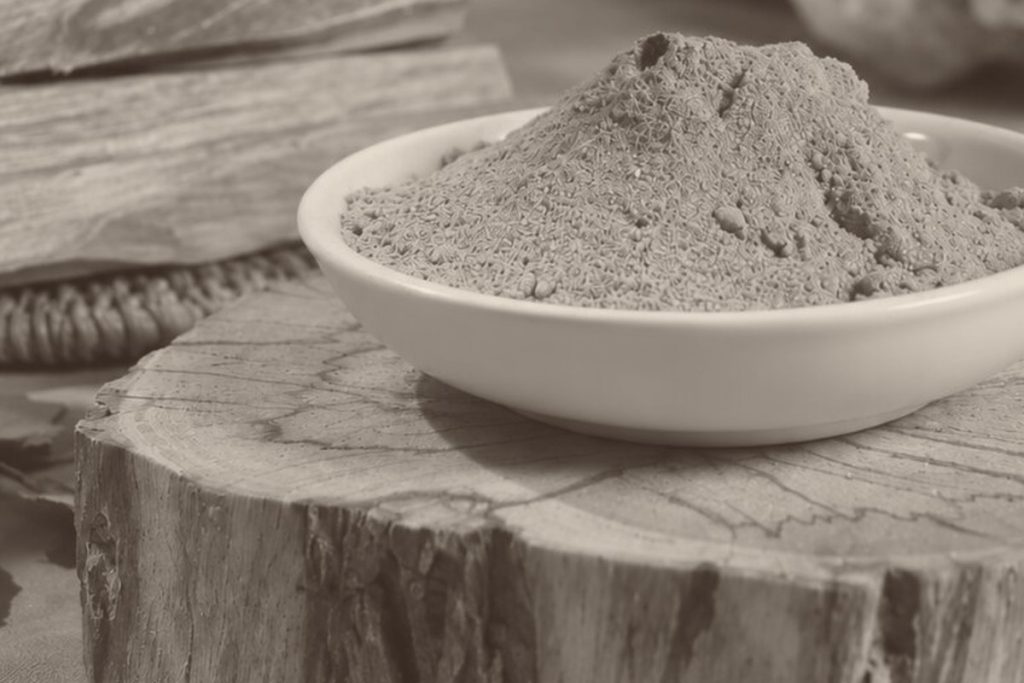
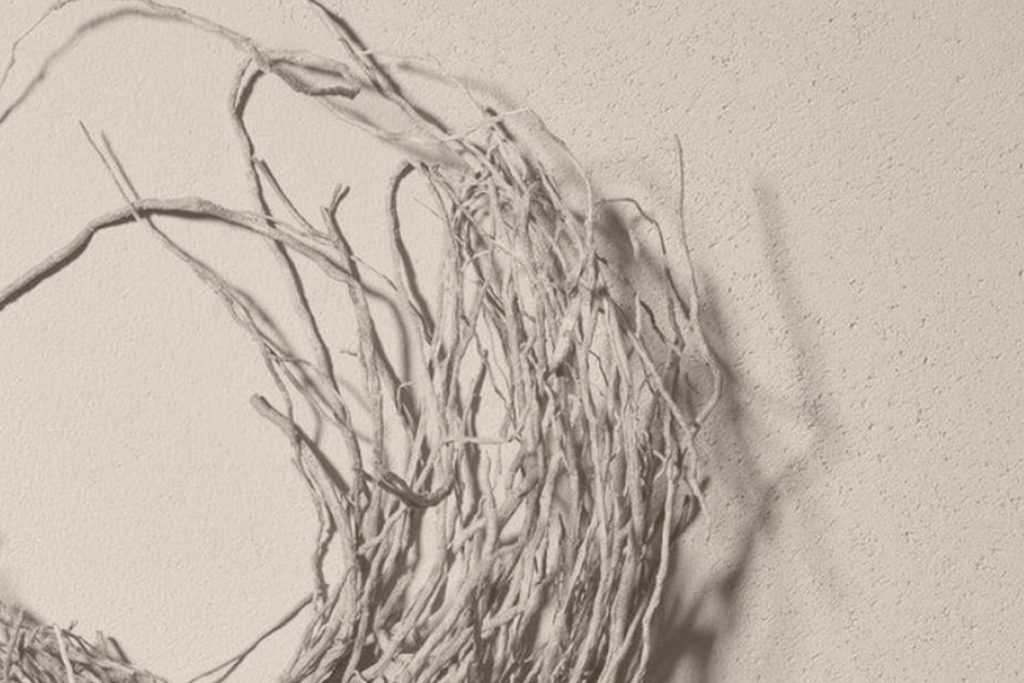
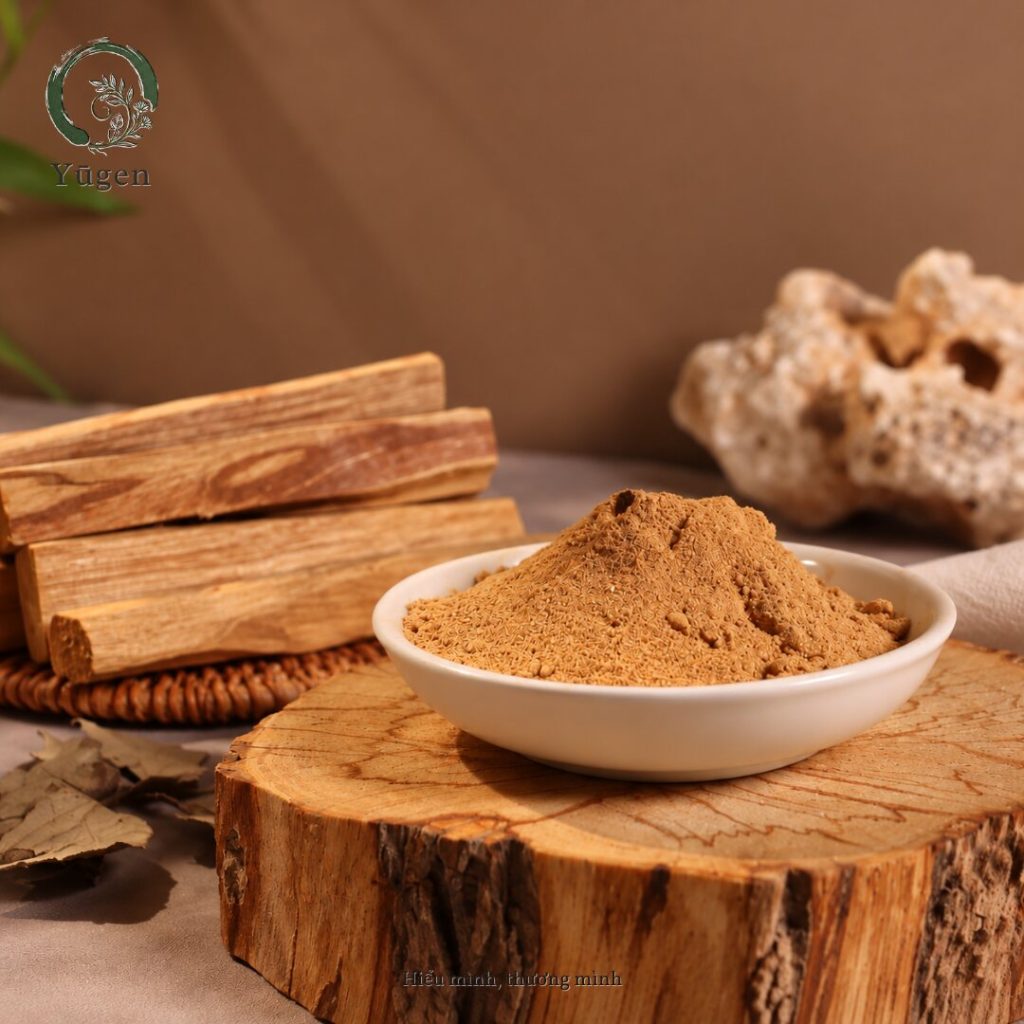
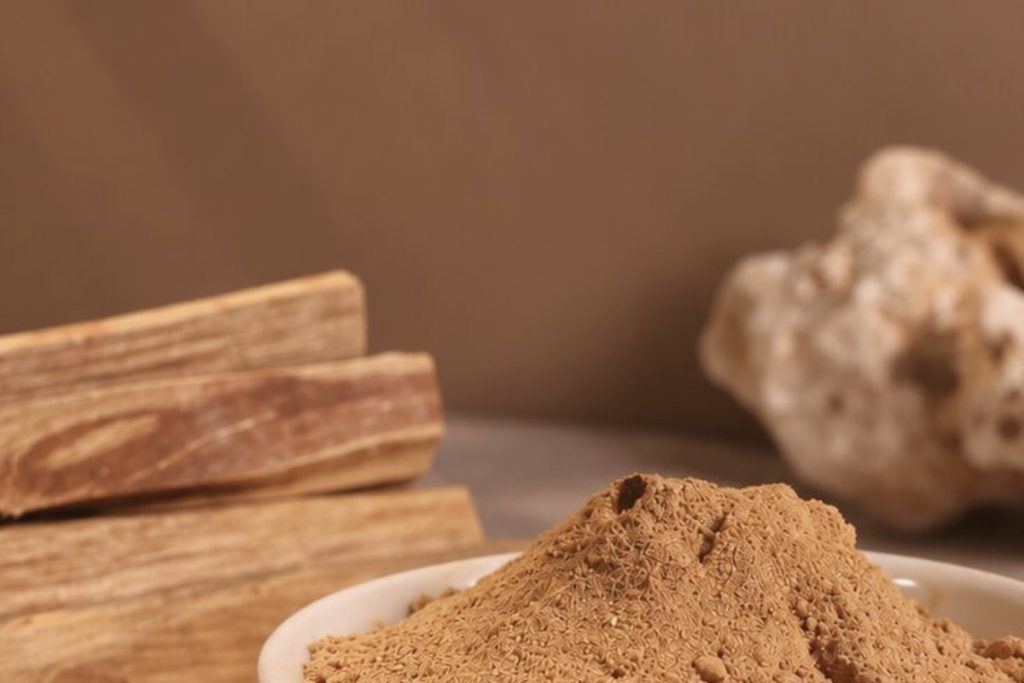
Many people assume that any Aquilaria tree, once cut, yields agarwood. It does not. Ordinary trunk wood is cream coloured, light and soft-grained, with little scent. In Vietnamese the tree is called dó, while “trầm” refers to the part of the wood that has soaked up resin, turning darker and heavier.
Aquilaria belongs to the Thymelaeaceae family and grows in tropical forests across South and Southeast Asia. Agarwood is not a separate species but a state of the wood: the same tree can hold pale, plain sections beside dark, oily streaks. If you wonder about its rarest grade, read what kyara (kỳ nam) is.
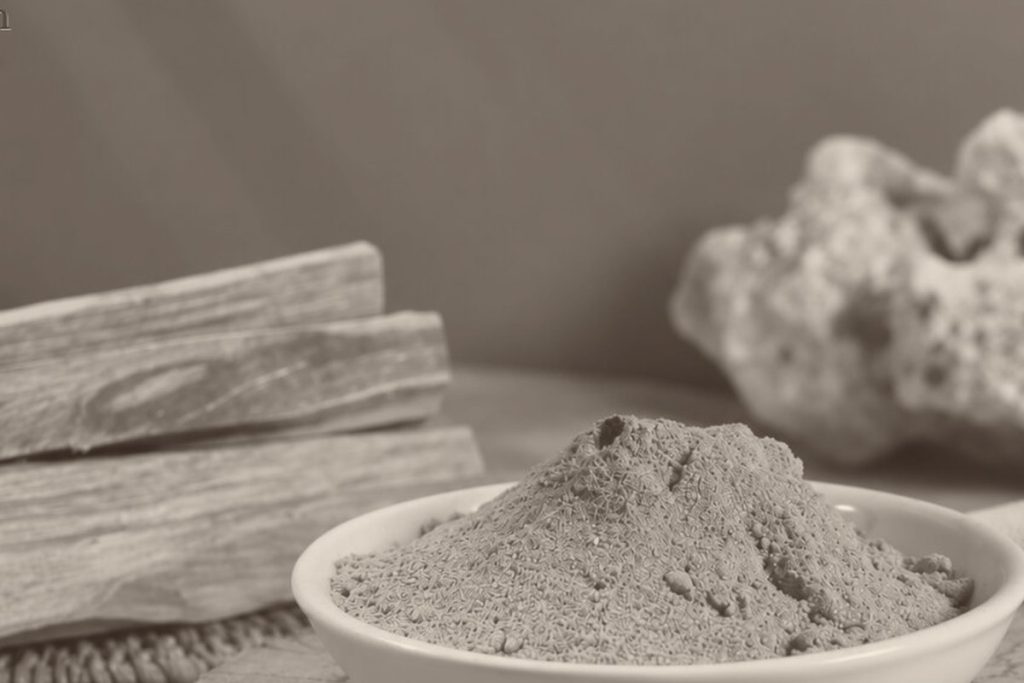
How agarwood forms: wounds, fungi and a defensive response
In broad terms, the mechanism is well described. A broken branch, an insect bore, lightning or a cut gives fungi and microbes a way in. The tree responds by producing aromatic compounds, mainly sesquiterpenes and chromone derivatives, which gather around the damaged area as a barrier.
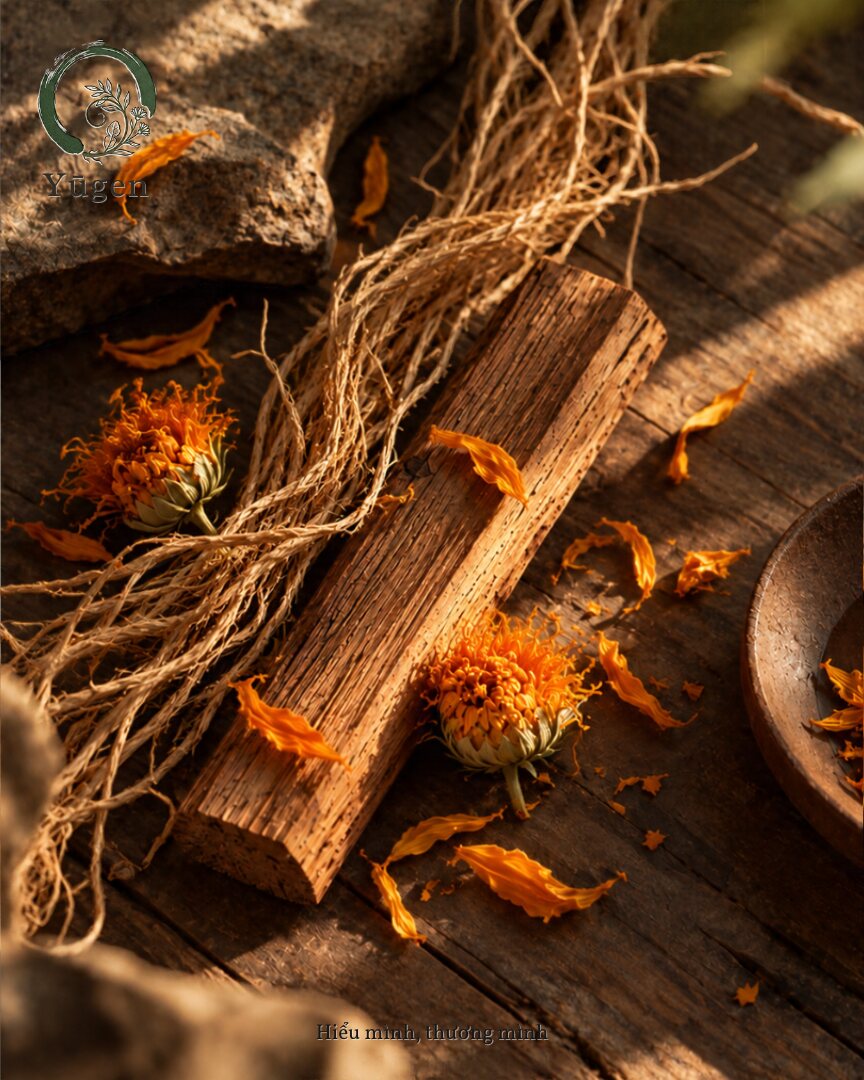
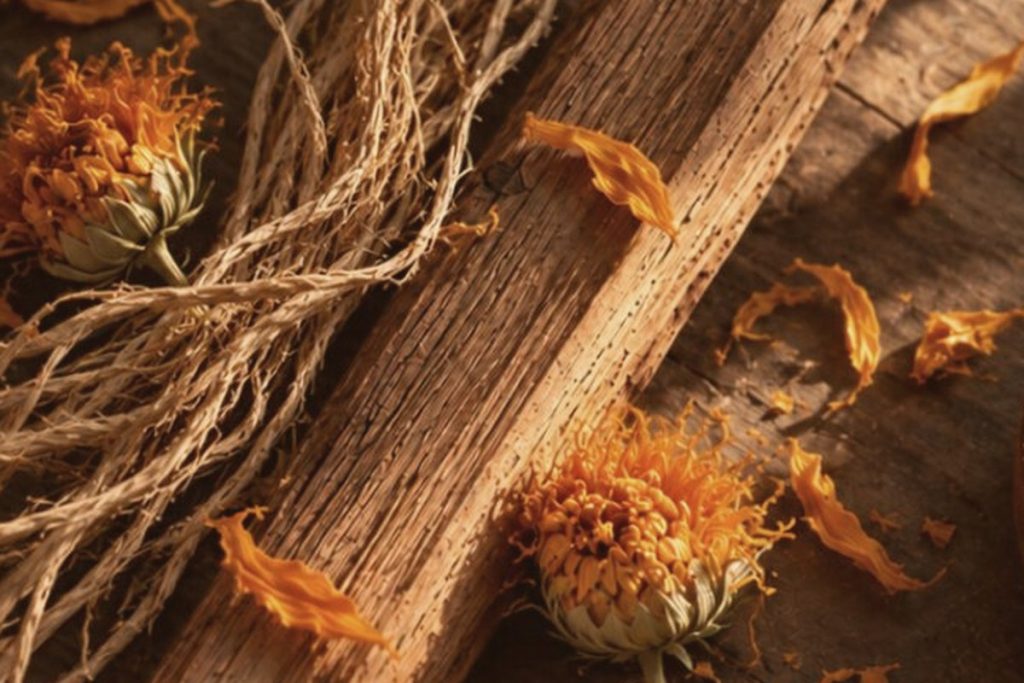
The resin slowly saturates the surrounding wood, which shifts from pale to brown to near black, with a heavier, oily grain. When gently heated, the compounds evaporate and give that familiar scent: sweet, warm, faintly spicy, changing from minute to minute.
Several fungi have been found in resin-bearing wood, and scientists are still debating exactly which ones matter most. It is best understood as a complex biological reaction rather than a fixed recipe.
It also helps to picture the tree’s point of view. A resin-making reaction costs energy, so it is not something the tree does for decoration; it is closer to a scar that happens to smell wonderful. You could say the wood keeps a record of what happened to it, since the dark streaks tend to follow the path of the injury.
A slow process measured in years
Resin does not appear overnight. Depending on the species, growing conditions and how deep the injury is, building useful resin generally takes many years. A small wound leaves a thin layer; a deep, lasting one produces denser wood. The difference between forest and plantation is covered in wild vs cultivated agarwood.
That is why quality varies so much. The grades incense lovers talk about, from everyday agarwood to rarer kinds such as kyara, mostly reflect resin density, the softness of the wood and the complexity of the aroma.
- Healthy wood: cream colour, light, almost no scent.
- Early resin: brown streaks on pale wood, a faint scent when warmed.
- Heavy resin: dark, dense, a deep and lasting aroma.
Why wild agarwood is rare
According to some sources, only a small fraction of wild trees carry significant resin, with figures ranging from a few percent to around ten percent. These estimates vary and are hard to verify in the field. What is certain is that you cannot tell from the outside whether a tree holds agarwood.
That uncertainty once led harvesters to fell vast numbers of trees. Overharvesting is why the whole genus Aquilaria is now listed in CITES Appendix II, which means international trade requires permits. Today many people choose agarwood from cultivated trees, or blends with clear sourcing, to enjoy the scent while easing pressure on forests.
There is a quiet lesson here for anyone who burns incense at home. Because the raw material is so slow to make, the kindest way to use it is slowly too: light one cone, sit for the length of its burn, and let the scent change before deciding whether you like it. Agarwood is rarely a single note, and the first minute is usually not the whole story.
What this means for incense lovers
Knowing that agarwood begins with a wound makes its scent feel gentler. That fragrance is the product of time and patience, so you do not need much of it. A small cone in a room with a cracked-open window is enough to notice the top, heart and base notes unfold. Once you hold a piece, spotting real vs fake agarwood helps you look at it calmly.
When choosing agarwood products, ask about origin, ingredients and price. Good natural agarwood has never been cheap, and a price far below the marketing claims is a reason for caution. For a soft introduction, the Woody and Agarwood scent groups at Yūgen are built from botanical ingredients that stay warm without feeling heavy. You can browse the shop or try the Scent Finder to find your group.
As with all incense, burn in a ventilated room, in moderation, and never leave a flame unattended.
FAQ
How does agarwood form?
Agarwood forms when an Aquilaria tree is wounded or infected by fungi and responds by producing a fragrant resin. The resin-soaked wood turns darker and heavier, and gives off scent when warmed.
Does every Aquilaria tree produce agarwood?
No. Healthy wood is pale and almost odourless; only the parts that have filled with resin are called agarwood.
Why is wild agarwood rare?
Resin builds up slowly over years and not every tree goes through this reaction, so the supply from the wild is limited.
Some fragrances only exist because a wound was held by time.